
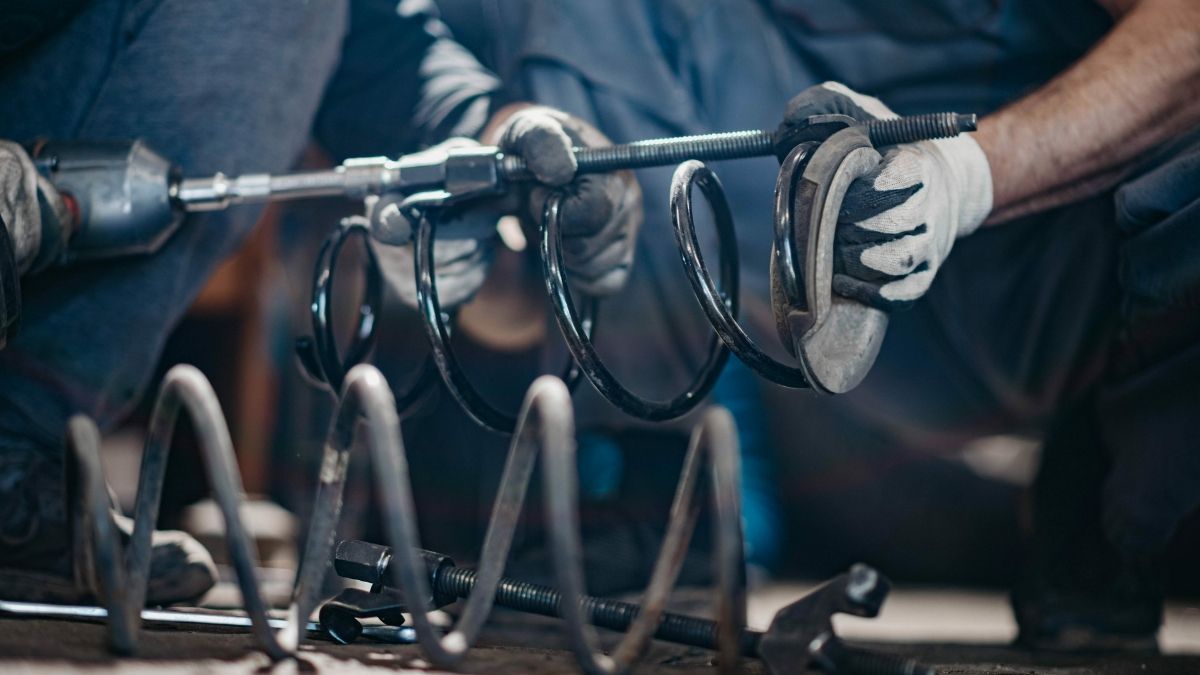
Lowering a car’s suspension is one of the many ways a driver can personalize their ride to fit their lifestyle. However, if you want to make the most out of this project, you should know exactly what you’re getting into. Use the details below to learn what you need to know before lowering your car’s suspension.
Performance Updates
One of the top details about lowering suspensions is that it can improve vehicle handling on the road. After all, when you lower a car, you’re also lowering its center of gravity. Making this adjustment to the vehicle’s center of gravity helps with weight distribution significantly.
For instance, when you’re making tight turns on the road, a lower suspension will prevent excessive leaning and bouncing, making the accelerating and braking much smoother. Lowering also results in a stiffer suspension, which is a suitable match for drivers seeking a sportier ride.
Aesthetic Adjustments
Performance isn’t the only thing you can enhance with this process. Another great aspect of lowering a car’s suspension is how it looks. Cars closer to the ground have a more aggressive appearance, which is perfect for those who love racing. Likewise, that aggressive appearance is ideal for car shows where you want your ride to stand out. Something as simple as reducing the wheel gap can greatly impact your car’s visual style.
Quality Parts
Our walkthrough of what you need to know before lowering your car’s suspension requires focusing on the parts that get it done. For example, you can adjust your car’s height with an aftermarket coilover. A coilover is a mixture of coil springs and shock absorbers that give the driver more control over their car’s center of gravity. Before you commit to a method, work out whether springs or coilovers suit your goals.
However, if you’re looking for a cost-effective way to lower your vehicle’s height without extra bells and whistles, try aftermarket lowering springs. After swapping your factory set with quality aftermarket lowering springs, you can still enjoy the performance and appearance benefits of reducing ride height. Of course, the bells and whistles are handy for some drivers, but lowering springs are a great alternative. It helps to get the basics of lowering springs first.
Air Ride: A Third Way to Lower
Alongside coilovers and lowering springs, air ride kits are a more advanced option. They use air springs and a compressor to adjust ride height on the fly, giving a wide range of settings. Air ride is often paired with coilovers or springs, and its on-demand adjustability lets you raise the car when you need to.
Remember to check whether the lowering kit you're buying is compatible with your vehicle, as that influences performance too, whether you're leaning towards lowering springs, coilovers, or air ride.
The Drawbacks You Need To Weigh First
Lowering improves handling and looks, but it carries trade-offs worth knowing in advance:
- Reduced ground clearance: lowering cuts the gap between the underside and the road.
- Bottoming out: a lower car is more likely to bottom out or scrape its underside on uneven roads and driveways.
- Component interference: lowering can create clearance issues with parts such as the exhaust or other suspension components.
- Handling and comfort: done improperly, lowering can hurt handling and ride comfort rather than help.
An air suspension setup offsets some of this, since you can raise the vehicle when conditions call for it. Whichever route you take, book a wheel alignment straight after any drop. Once it's lowered, our tips on driving a lowered car day to day help you avoid scrapes.
Share:
The Main Components of an Aftermarket Coilover
3 Tips for Using Air Suspension on Your Daily Driver