




H&R Sway Bars
H&R sway bars flatten your car through corners and sharpen how it responds, and they do it without the ride penalty of stiffer springs. With adjustable settings on many applications, they let you tune the balance between understeer and oversteer to match how you actually drive.
Flatter Cornering with H&R Anti-Roll Bars
A sway bar, or anti-roll bar, works by connecting the left and right sides of the suspension so they resist leaning against each other. The result is less body roll, flatter and more confident cornering, quicker turn-in, and more grip from the outside tire when it matters most. Dollar for dollar, it's one of the biggest handling gains you can bolt onto a car.
Because a sway bar mostly does its work during cornering rather than over straight-line bumps, it delivers that handling improvement with far less ride harshness than stiffer springs. That's what makes it such a popular upgrade on street cars that still need to be comfortable.
Adjustable Sway Bars for Tuning Balance
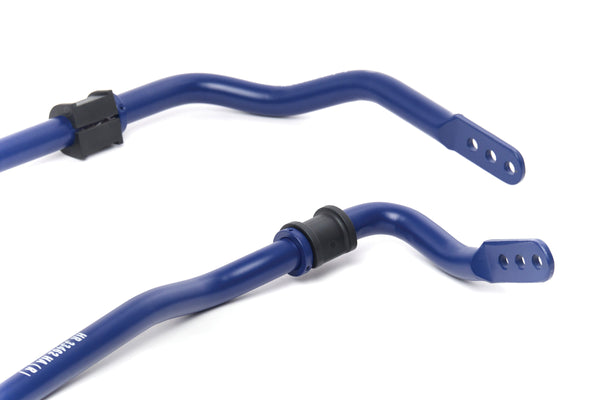
Many H&R sway bars feature multiple end-link mounting positions, so you can set the bar softer or stiffer. Moving the end link changes the bar's effective rate, which lets you dial the car toward more stability or more rotation. On a front-drive car, a stiffer rear bar helps kill understeer. On a rear-drive car, drivers often tune the front for flatter, more neutral handling. The adjustment puts that balance in your control.
German Engineering You Can Trust
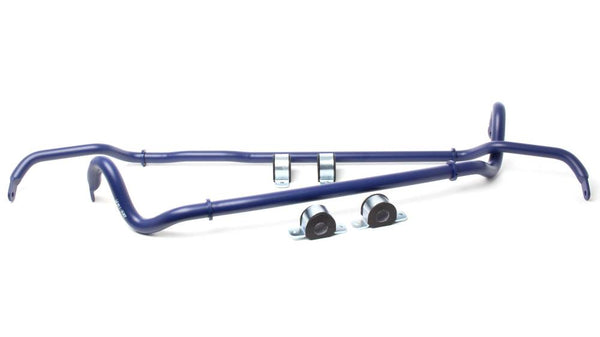
H&R sway bars are engineered and manufactured in Germany and TÜV-tested, made from quality spring steel and designed for a specific chassis so the rates suit that car's weight and suspension geometry. Kits typically include the bar or bars, bushings, and hardware. On some applications, upgraded adjustable end links are worth adding to get the most from the bar.
Pair your sway bars with H&R lowering springs or coilovers for a complete handling package. Not sure which setup fits your car and how you drive it? Call us at 903-993-0000 or email support@springrates.com and we'll point you in the right direction before you spend anything.